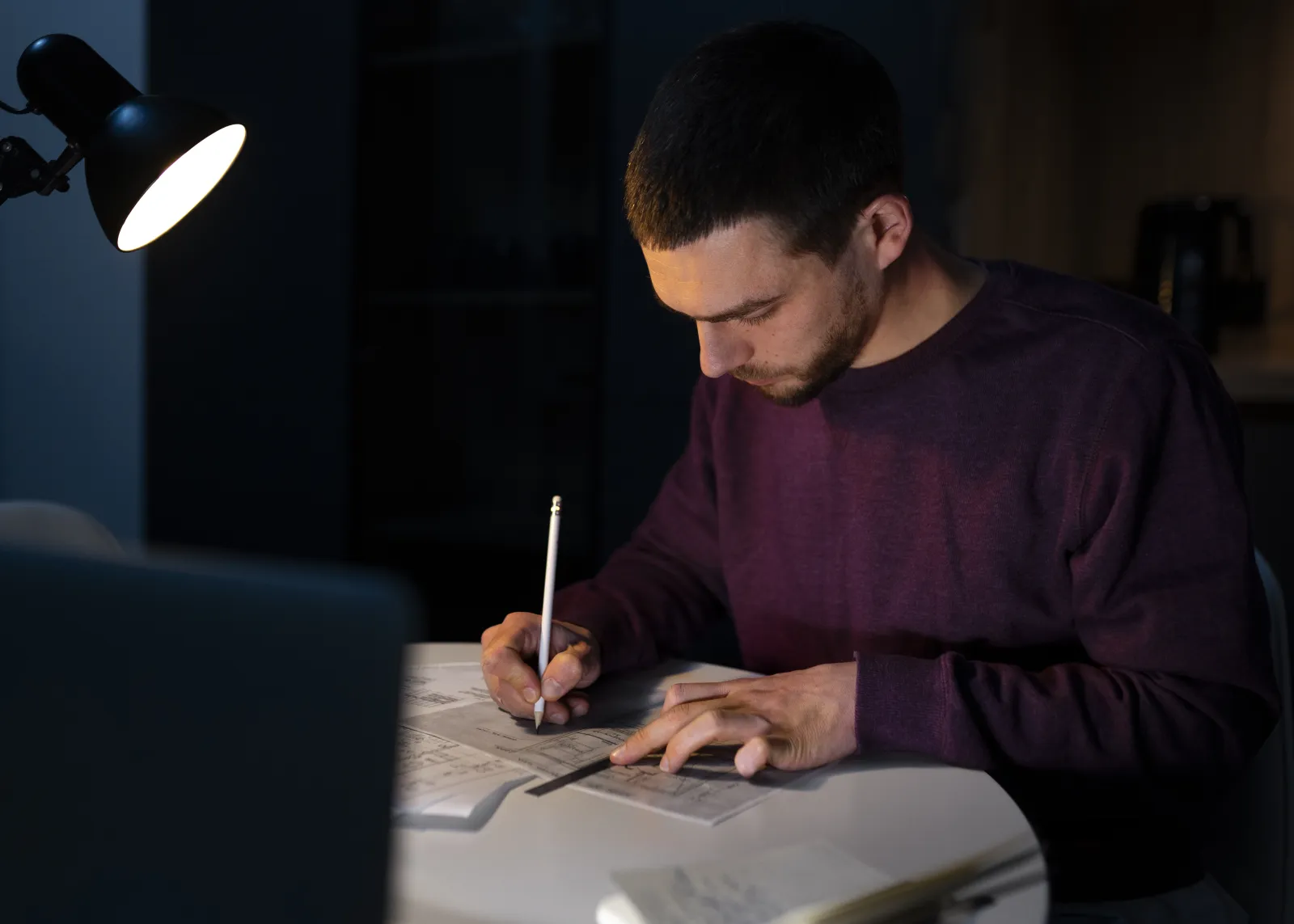
On October 6, Zimbabwean writer Simbarashe Kundizeza won the £10,000 Caine Prize for African Writing for his short story “The Blue Fighter.” Five days later, The Atlantic reported that AI-detection tool Pangram had flagged almost the entire story as machine-generated. The prize is now under review, and the writing world is arguing about who gets to decide what counts as human.
What happened
The Caine Prize jury picked “The Blue Fighter” on October 6. Within a week, The Atlantic published a piece by journalist Vauhini Vara reporting that Pangram, an AI-detection company founded in 2023, had flagged nearly every line of the story as AI-generated.
Kundizeza pushed back on X. “I wrote ‘The Blue Fighter.’ I did not use generative AI to write it,” he posted. He told the Associated Press the story drew from his family’s experience of Zimbabwe’s economic collapse, and said detectors are biased against African writers.
The Caine Prize organizers opened what they called a “human-centered” review. Chair of trustees Ellah Wakatama told the BBC’s Front Row she was shocked The Atlantic ran the piece without a fuller investigation first. Kundizeza has offered his draft history for examination.
Pangram, led by CEO Max Spero (a former Google and Nuro engineer), puts its false-positive rate at roughly 1 in 10,000. A 2025 University of Maryland study put the figure closer to 2%.
Why it matters for writers and freelancers
The accusation isn’t isolated. CNN counted a string of 2026 cases: Trinidadian author Jamir Nazir, accused over Commonwealth Short Story Prize winner “The Serpent in the Grove”; H.M. Wolfe’s bestseller “Daggermouth,” estimated as 60% AI-written by Stony Brook researchers in a data set shared with The Atlantic; Haitian Canadian novelist Thélyson Orélien, dropped from the Prix Goncourt longlist in September; debut novelist Jerry Falade, who lost a $2 million book deal in July after his agents pulled his manuscript. Hachette canceled the US release of Mia Ballard’s self-published “Shy Girl.”
Every one of those writers is Black or South Asian.
For freelancers the pattern lands harder. Platforms, editors, and recruiters already run detectors on submitted work. Early-career writers trying to land their first paying client now have to think about how a sample pitch scans before it reaches a human editor. One in ten thousand sounds small until you count how many pieces of writing move through a platform in a day. Guardian sports editor Bryan Armen Graham was accused on Pangram output. His publication called the allegations preposterous. The accusations continued anyway.
A 2023 Stanford study found earlier AI detectors produced higher false-positive rates on non-native English writing. Pangram’s own internal data puts the figure at 8 in 10,000 for non-native English texts, still a real number at scale.
The detector’s blind spots
Pangram’s own CEO is clear about his lane. Max Spero is a machine learning engineer by training, formerly at Google and the autonomous vehicle startup Nuro, and he told CNN he’s an avid reader but has never been a writer himself.
AI prose reads like bad human prose because it was trained on bad human prose. Author Patrick Nathan put it bluntly to CNN: AI slop and human slop are hard to tell apart. The tics people now flag as robotic (em-dashes, lists of three, “it’s not X, it’s Y”) have been in magazine journalism for years.
Doyle D. Calhoun, a postcolonial studies professor at Cambridge, pointed to the demographics of who gets accused. He told CNN the pattern tracks with anti-woke rhetoric circulating in right-leaning online spaces. Samuel Fitoussi, the Le Figaro columnist who first flagged Orélien, is also the author of a book called “Woke Fiction.”
Even the Commonwealth Foundation, after reviewing Nazir’s case, declined to use Pangram or any AI detector. Director general Razmi Farook said the tools aren’t conclusive.
What to watch next
The Caine Prize review has no stated deadline, and the organization has not said when or how it will publish a finding. Watch for whether Kundizeza’s draft history goes public, whether The Shallow Tales Review (which first published “The Blue Fighter” in 2025) is drawn into the record, and whether any prize body formally bans or endorses detector use next year. LinkedIn has already added a “Looks like AI slop” post reaction. Freelance platforms, academic programs, and literary magazines will pick a side within months, and the writers caught in the middle will want more than a confidence score before their next byline goes out.
More news like this.
About 300 Authors Sue Meta Solo Over AI Training on Books
About 300 authors filed individual lawsuits against Meta on Oct. 19, seeking up to $150,000 per work over AI training of...
OpenSparta’s $10 Telegram AI Agent Sells Mass Engagement Tools
OpenSparta pitches a Telegram AI agent that finds customers, but its $10 plan sells account warm-up and mass reactions t...
42 Claude Code Skills Target App Building and Releases
App Factory groups 42 Claude Code skills into focused workflows for building, preparing, and distributing apps across mo...